
Development record · 2024—2026
Evidence, with
its context intact.
From instrumented development and early screening through comparative field work—presented with the limitations needed to interpret it responsibly.
Instrumented development setup shown. Directional results are not a substitute for repeatable, independently reviewed protocols.Review the field record →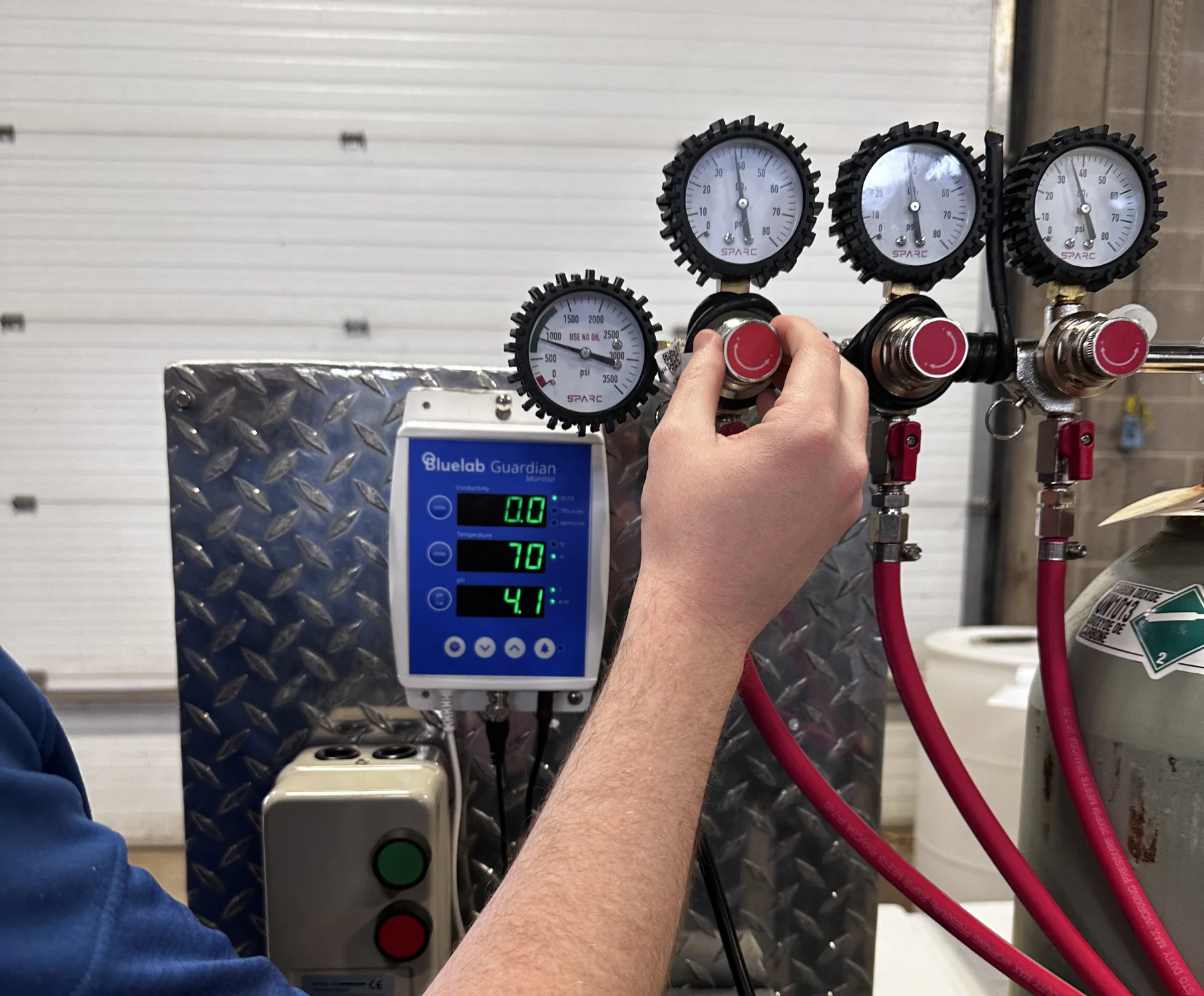
PRELIMINARY / VALIDATION ACTIVE
How to read the record
Read in
layers.
A credible technical story holds the signal and its limits in the same frame. Move through the record in the order a reviewer should.
SCT / EVIDENCE LENS01 / 03
DOCUMENTED
What was recorded.
Start with the pieces of the record that can be located and described: operating context, supplied imagery, equipment configuration and reported measurements.
- Test windows and setup context
- Supplied field imagery and observation media
- Solution readings with their conditions
Lakeland ETC · June 19—July 10, 2026
Matched source.
Practical comparison.
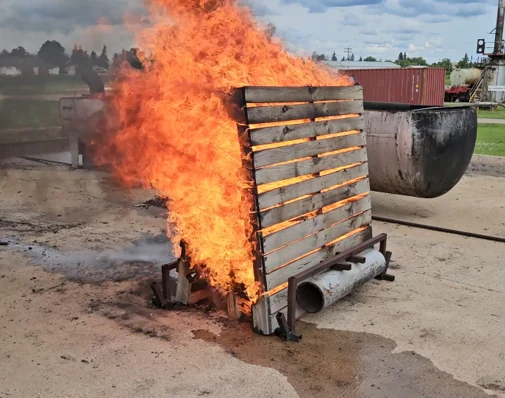
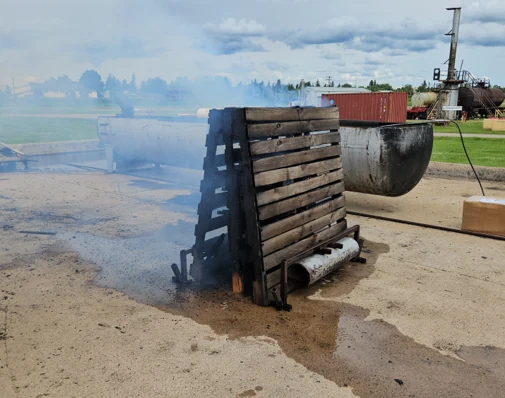
Small-scale tests used locally collected rainwater as the common base for untreated water and carbonic solution. Field-scale work used two 200-gallon skid tanks supplied with municipal water and carbonic solution for paired pallet burns.
01 · FIELD WINDOWJune 19—July 10, 2026
02 · LOCATIONLakeland ETC
03 · COMPARISONMatched-source test series
04 · STATUSPreliminary · validation active
Relative outcomes within the reported comparative series.
The percentages summarize directional differences observed across the Lakeland work as reported by SC Technologies.
Universal performance or deployment readiness.
The public record does not establish an absolute sample count, statistical confidence, independent replication or performance across other fuels, equipment and operating conditions.
Common rainwater
Used for the small-scale untreated and carbonic comparisons.
Paired 200-gallon tanks
Municipal water and carbonic solution supported practical pallet burns.
Test-series signal
No broader performance conclusion or published absolute sample count is implied.
Early screening · June 23—July 4, 2025
Useful direction.
Known limitation.
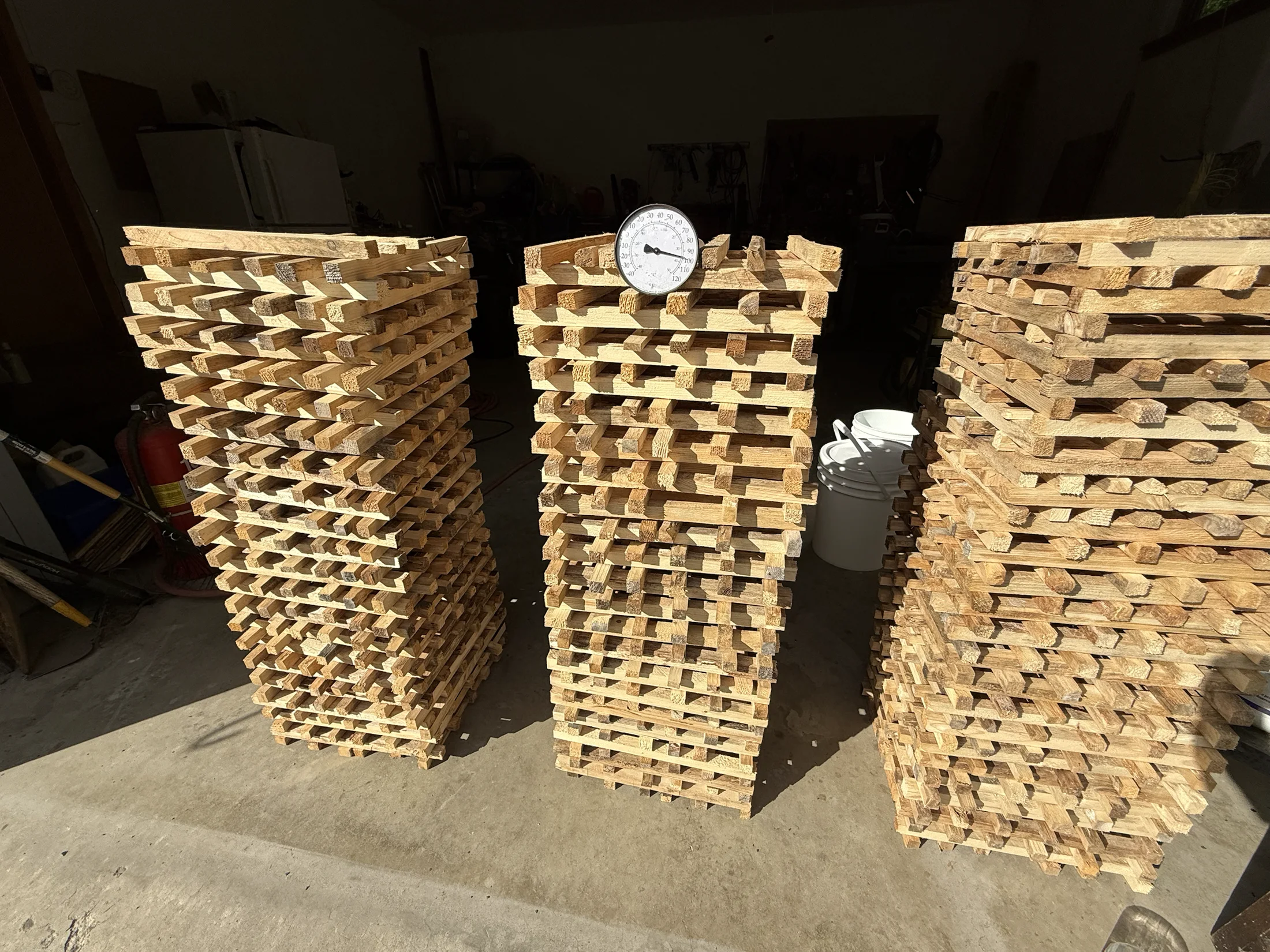
Six screening burns used equal half-gallon applications. Carbonic lake water was infused to pH 4.59–4.89; ending temperatures ranged from 140–219°F, compared with 325–470°F for untreated well water.
Because the base-water sources differed, this work was not an independently controlled comparison. It informed the later matched-source protocol.
Evidence standard
Results and
limitations together.
Credibility depends on water source, fuel load, application method, conditions, measurement and comparison design—not a headline number alone.
Matched-source comparisonsDefined success measuresReplicable proceduresRecorded operating conditionsTransparent limitationsIndependent participation
Equipment & solution development
Gas transfer, configuration and operating parameters.
Early screening
Directional work shaped the matched-source protocol.
Lakeland field program
Small-scale and practical comparative trials.
Repeatability & review
Refined protocols and broader third-party participation.
TECHNICAL REVIEW
Review the record behind the public summary.
Qualified reviewers can discuss the documented test context, supplied photo and video records, reported solution ranges and the pathway toward a stronger protocol.
Request the evidence package →Test windows and setup context
Supplied field imagery and observation media
Reported solution pH ranges
Comparison design and known limitations
Repeatability across additional trials
Reviewed and replicable procedures
Broader third-party participation
Application-specific performance validation
Advance the work with us.
Request the technical record.
Review the context with us.
Researchers · Fire services · Validation partners · Technical reviewers